Monday, December 15, 2025

Closing the Apache Chapter: Indian Army Bets on Prachand LCH


On December 15, 2025, The Times of India reported that the IA is set to receive the last three AH-64E Apache helicopters on order from Boeing Aerospace.

Three of the six AH-64E helicopters ordered by the IA arrived at Hindon Air Base on July 22, 2025. It was then reported that the remaining three helicopters would be delivered by November 2025.

The Indian MoD ordered six AH-64E helicopters from Boeing under an $800 million deal signed in February 2020, during the visit of former US President Donald Trump to India.

At the time of contract signing, Boeing had committed to deliver all six helicopters by February 2024.

IAF AH-64E Procurement


The IAF earlier acquired 22 AH-64E helicopters from Boeing under a $3 billion contract, which also included the supply of 15 CH-47F Chinook helicopters.

The IAF reportedly received the last batch of the 22 AH-64E helicopters it ordered in July 2020.

IA Forgoes Additional AH-64E Procurement


In early 2014, the Army received “in-principle” approval for “ownership” of 39 Apache AH-64 gunships to equip its “strike” formations. However, no additional orders have been placed beyond the six helicopters ordered. The Army now appears committed to expanding its fleet with indigenous options, such as the 5.8-ton, twin-engined Prachand Light Combat Helicopter (LCH).

The Prachand is powered by two Shakti engines and inherits many technical features of the Advanced Light Helicopter. Features unique to the LCH include a sleek and narrow fuselage, tricycle crashworthy landing gear, crashworthy and self-sealing fuel tanks, armour protection, and nuclear and low-visibility features, which make the LCH lethal, agile, and survivable.

The Prachand outperforms the AH-64E in its ability to operate at altitudes above 5,000 m, which is a critical requirement for Himalayan deployments. The programme targets over 65% indigenous content, involving over 250 domestic companies.

Prachand LCH


Indigenously developed weapon systems can more effectively address threat perspective–driven qualitative requirements (QRs). India’s requirement for a combat helicopter honed for high-altitude operations is unique. India’s disputed borders run through mountainous terrain. The Indian Army and Air Force need a combat helicopter that can fly at high altitudes with the agility to safely negotiate tight airspaces between mountains, allowing pilots to find and engage targets with ease.

MoD’s Unprecedented Large-Volume Order


The Indian MoD, on March 28, 2025, signed two contracts with Hindustan Aeronautics Limited (HAL) for the supply of 156 Prachand helicopters, along with training and other associated equipment, worth ₹62,700 crore. The first contract is for the supply of 66 LCHs to the Indian Air Force (IAF), and the second is for the supply of 90 LCHs to the Indian Army.

Deliveries will begin in the third year (2027–28) and continue over five years, with HAL producing about 30 helicopters annually from its Bengaluru and Tumkur facilities.

The new order will add to the 15 LSP variants of the helicopter (10 IAF and five Army) already inducted under a ₹3,887 crore contract inked in 2022. HAL completed delivery of the 15 LSP helicopters in early August 2023.

Prachand Capabilities


The Prachand is a low-observable (LO) design with reduced visual, aural, radar, and infrared (IR) signatures. It features canted panels for a lower radar cross-section and an IR suppressor for reduced IR signature.

The helicopter has a maximum speed of 275 kmph (148 kt), a combat radius of 500 km, and is capable of high-altitude warfare with an operational ceiling of 16,000 to 18,000 feet.

Prachand’s stub wings/armament booms have four weapon attachment stations, two on each side. Each station can carry ATGMs, rockets, or air-to-air missiles.

The helicopter has fixed armour plating on the sides and crashworthy landing gear for improved survivability.

Prachand Sensors


The Prachand is equipped with an electro-optical pod consisting of a CCD camera, FLIR, laser range finder (LRF), and laser designator (LD), giving the attack helicopter the ability to detect and acquire targets day or night.

It is not known whether an AESA radar is proposed for development for the LCH. Weight constraints might rule out this option, in which case the Prachand’s ability to carry long-range missiles may be severely constrained.

Prachand Communication Suite


Not much is known about Prachand’s communication suite in the public domain. A modern combat helicopter needs high-bandwidth communications, with support for direct connectivity with UAVs.

It is unlikely that the Prachand currently has a high-bandwidth communication suite adapted to operate within a battlefield command-and-control system. If that is indeed the case, an improved communication suite would be a priority item on HAL’s Prachand to-do list.

Weapon Systems


The Prachand will be equipped with the indigenously developed Helina surface-to-air missile, which can engage targets at ranges between 500 m and 7 km.

Helina features a 640 × 512 px FPA (focal plane array) imaging infrared (IIR) seeker. As a result, the Helina seeker can image the target—not just detect it—giving the missile the ability to recognise the target and ignore other heat sources in its vicinity.

Helina always uses LOBL (lock-on before launch) tracking, making it a “fire-and-forget” missile. Once the electro-optic (EO) system of the ALH identifies the target, it automatically hands it over to the missile.

Reposing Confidence in HAL’s Ability to Deliver


A single order volume of 156 helicopters is unprecedented for attack helicopters. By comparison, the Russian MoD’s last order for the combat-proven Ka-52M was for 114 helicopters.

The MoD’s large order is likely aimed at addressing concerns that, in the past, HAL has not been able to meet weapon system delivery timelines because the MoD did not place orders in time or for adequate volumes. Clearly, this time the MoD has reposed considerable faith in HAL’s ability to deliver.

Conclusion


The Prachand could well become an HAL success story, as it is derived from the Dhruv ALH, which entered operational service in 2002 and has accumulated approximately 450,000 flight hours.

The IA and MoD have placed a large order for the helicopter and given HAL more than two years to commence deliveries. It is almost certain that if HAL and DRDO deliver on the promise of the Prachand, there will be further orders for more advanced variants.

Copyright © Vijainder K Thakur. First published on Thumkar.


Saturday, December 13, 2025

From 120 km to 300 km: Can DRDO Deliver the Army’s Long-Range MLRS Vision?


Pinaka Mk.2

India Today, quoting senior defence officials, reports that the Indian Army (IA) has initiated a procurement proposal worth around Rs 2,500 crore to induct 120-km strike-range Pinaka rockets. The proposal will be considered for approval by the Defence Acquisition Council (DAC) soon.

Jane's reported in January 2025, quoting a source in Munitions India Limited (MIL), that the Indian Army has given DRDO a go ahead to developed of advanced rockets for its Pinaka Multi‐Barrel Rocket Launcher System (MBRLS) with maximum strike ranges of 120 km and 300 km respectively.

DRDO's Armament Research and Development Establishment (ARDE) will develop the rockets and MIL will manufacture them under a transfer of technology (ToT) agreement with the DRDO.

The Chief of the Army Staff (COAS), Upendra Dwivedi, during his annual press briefing, confirmed that the DRDO, which had developed Pinaka unguided rockets with extended 45-km range, and Pinaka guided rockets with 75 - 80 km range, has now been tasked with further extending MBRLS rocket range, first to 120-km and then to 300-km.

He indicated that the Army would drop plans for other longer range weapons if the DRDO was able to deliver longer range Pinaka rockets.

General Dwivedi said, "As soon as we get longer ranges, we might drop plans for other alternate long-range weapons we are looking at and concentrate on it (Pinaka 3)."

The IA has also expressed interest in acquiring long range kamikaze drones. It is likely that General Dwivedi was referring to them when he alluded to dropping other alternate long-range weapons.

Current Pinaka System

The most advanced Pinaka MBRLS variant currently operated by the Indian Army - Pinaka Mk. 2 Guided Pinaka Rocket System - can engage targets from 20 km to 80 km range with an accuracy of 30 m. 

The Pinaks Mk.2 is a 214 mm calibre system. It can launch unguided rockets with max range of either 40 kms or 60 kms, as well as Guided Pinka rockets with max range of 80 km.

Guided Pinaka rockets, aka Enhanced Pinaka rockets,  feature a 250 kg warhead, canard-based aerodynamic control and guidance using a combination of Inertial Navigation System (INS) and Satellite Navigation (SATNAV).  

The rocket’s SATNAV has been integrated with the Indian Regional Navigation Satellite System (IRNSS) – the Indian version of the US Global Positioning System (GPS).

With the help of trajectory lofting and aerodynamic glide provided by the canards, Guided Pinaka rocket can achieve a range of 80-km.

The Guided Pinaka was developed jointly by ARDE Pune, RCI Hyderabad and DRDL Hyderabad.

Pinaka Accuracy


DRDO claims that during trials, Guided Pinaka rockets have shown an accuracy of as much as 10m. 


The claimed accuracy and range for the Guided Pinaka, puts it in the league of US Army’s GMLRS rockets fired from the M270 MLRS or HIMARS.

The proposed 120-km range Pinaka rockets will reportedly conform to the 214 calibre. The Pinaka system capable of launching the 120-km range rockets is referred to as Pinaka Mk.3.

300-km Range Rocket Pinaka System

The proposed 300-km-range Pinaka rockets are expected to use a 300-mm calibre format to accommodate a larger propellant mass. 

The IA already operates a 300 mm caliber MLRS (Multiple Launch Rocket System), the BM-30 Smerch-M,acquired from Russia through a $500 million deal signed in the mid-2000s. These systems have a max range of 90 km.

Besides Smerch, Russia has a 120-km range 300mm MLRS known as Tornado-S which employ precision-guided rockets that use a combination of strapdown inertial navigation systems (INS) and GLONASS satellite navigation for terminal guidance to achieve high accuracy. 

Recent videos of the Tornado-S striking bridges suggest that it may have terminal guidance - optical or SALH. 

Conclusion

Long range rockets with 120 km range, such as the US M270 MLRS and Russian Tornado-S have proven to be very effective for interdiction and area denial. MLRS systems with 300 km range rockets, capable of striking airbases, industrial plants and infrastructure deeper in the interior, have strategic capabilities. 

However, there are challenges associated with developing long range MLRS systems that the DRDO would need to adequately address during development. These include:

1. Target detection and geo location 

2. Accurate and EW resilient guidance

3. Evasion of counter battery fire


Target detection and location require persistent surveillance using drones and satellites. India's Ministry of Defence would need to acquire them in larger numbers than currently available. 


Long range rockets must be able to accurately strike bridges and hardened shelters. Typically this requires accuracies of less than 10 m CEP. The combination of INS + SATNAV based terminal guidance is usually not enough. Rockets need to be equipped with semi active laser homing with an overhead drone marking the strike point with a laser. Another option is optical terminal guidance. 


Adversary EW systems can compromise the accuracy of both SATNAV and INS. The INS system on the  rockets needs to be hardened against EW and SATNAV needs to be made more resilient through the use of multiple antennas. 

Finally, in order to evade counter battery fire, the MLRS systems need to be very agile and capable of changing location very quickly after launching rockets. The IA would need high mobility vehicles such as the one used with the US ATACMS system. 

The IA's move to acquire longer range MLRS systems needs to be commended. Indigenous manufacture of the MLRS systems and rockets will ensure that IA is able to sustain its operational capabilities through a prolonged conflict. Also, it would benefit from technological advances through periodic upgrades.

In the future, MLRS systems are expected to be able to launch rockets that can deploy reconnaissance drones for laser target marking enabling the use of semi active laser homing (SALH) guidance on rockets. 

Copyright © Vijainder K Thakur. First published on Thumkar.

Friday, December 12, 2025

The Engine Delay Euphemism: HAL’s Go-To Explanation for Missed Deadlines


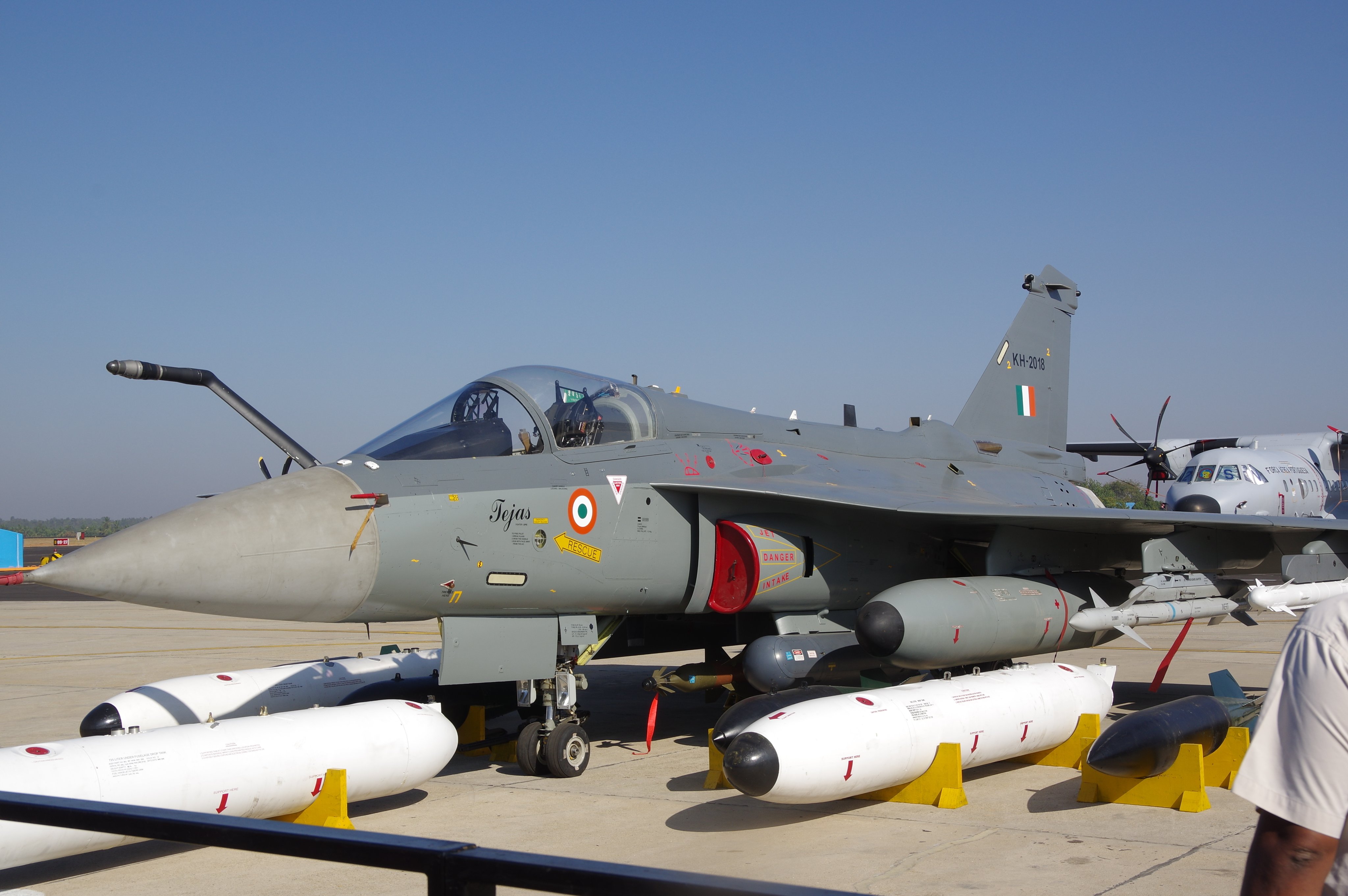
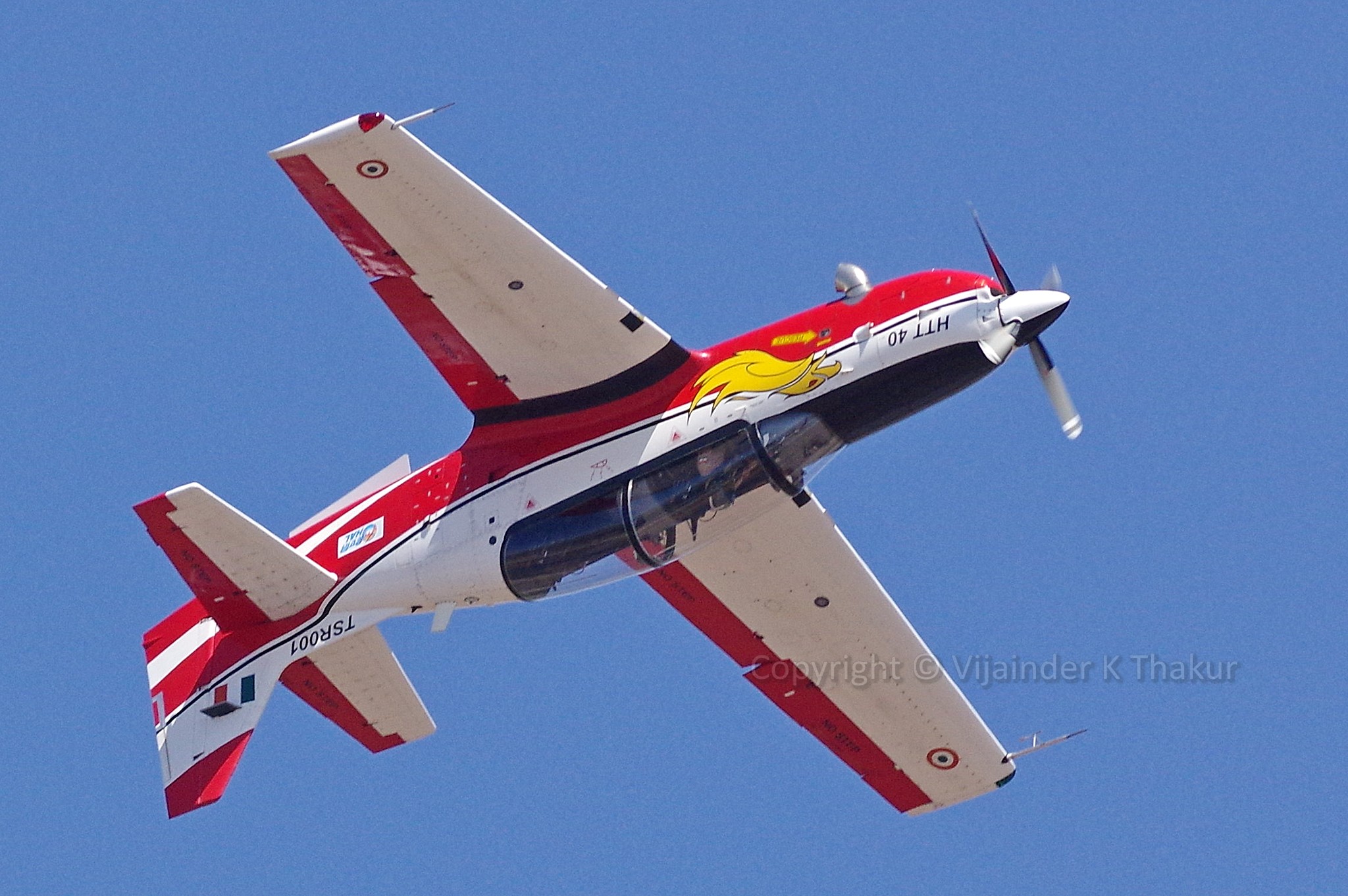
The HT, quoting PTI, reported on December 12, 2025, that HAL has revised the delivery schedule for the LCA Mk-1A and HTT-40. It now aims to deliver 5 LCA Mk-1A jets and 3 HTT-40 trainers by March 2026.

HAL had earlier committed to deliver 10 LCA Mk-1A fighters and 12 HTT-40 trainers by March 2026.

HAL attributes the timeline revision for the LCA Mk-1A to delays in the completion of weapons trials and the delivery of GE F404 engines, and for the HTT-40 to delays in delivery of the Honeywell TPE331-12B turboprop engine.

LCA Mk-1A Orders

A total of 180 Tejas Mk-1A fighters are on order with HAL — 83 against an initial order placed in February 2021 and 97 under a follow-up order placed in September 2025.

HAL has created three production lines for the aircraft.

GE-F404-IN20 Delivery

Based on the initial LCA Mk-1A order, HAL placed an order for 99 GE F404 engines with General Electric (GE) Aerospace on August 17, 2021.

Ironically, when HAL placed this order, GE Aerospace had already shut down the F404-IN20 production line after fulfilling prior commitments by delivering 65 engines for the Tejas LCA by 2016, with no further orders anticipated at that time.

HAL’s August 2021 order for an additional 99 engines required reactivation of the dormant line and vendor supply chain after a five-year hiatus. The reactivation faced further challenges because of the COVID-19 pandemic. As a result, there was a significant delay, and the first engine arrived only in March 2025.

Having resumed production in 2024, GE is now producing just a few F404 engines per month.

HAL likes to attribute LCA Mk-1A delivery timeline slippages entirely to “supply chain constraints” in the production of GE F404 engines. In reality, the slippages are largely attributable to delays in developing the Tejas Mk-1A, which led to the shutdown of the GE F404 production line. The truth is, HAL is still not ready to deliver LCA Mk-1A aircraft because of pending weapons trials.

Additional Order

The MoD, on September 26, 2025, signed a ₹62,370 crore contract with HAL for the procurement of 97 LCA Mk-1A aircraft for the Indian Air Force (IAF), including 68 fighters and 29 twin-seaters, along with associated equipment.

Delivery of these aircraft will commence during 2027–28 and be completed over a period of six years. The aircraft will have an indigenous content of over 64%, with 67 additional items incorporated over and above the previous LCA Mk-1A contract.

To fulfil the additional order, HAL announced on November 7, 2025, that it had signed a deal with GE Aerospace for 113 F404-IN20 engines. The deal, estimated to be worth $1 billion, includes a support package for execution of the programme.

The engine deliveries will take place between 2027 and 2032, HAL said in a statement on X.

According to the HT report, HAL is confident of making good on the timeline slippages in the years ahead.


HTT-40 Orders

During DefExpo 2022, HAL and the IAF signed an agreement for the supply of 70 HTT-40 trainers to the IAF for basic training.

The Ministry of Defence, on March 7, 2023, signed a contract with HAL for the supply of 70 HTT-40 Basic Trainer Aircraft.

Reportedly, HAL was to deliver the first trainer by September 2025 and a total of 12 trainers by March 2026. Supply of all 70 aircraft on order was to be completed over a period of six years.

TPE331-12B Engines

In July 2022, HAL signed a $100 million contract with Honeywell for 88 engines to power the HTT-40. Under the contract, Honeywell would deliver 32 engines, with the rest to be built at HAL through technology transfer.

Notably, HAL placed the order on Honeywell based on its DefExpo 2022 agreement with the IAF, without waiting for a formal contract from the MoD.

According to the HT report, the first engine is expected to arrive in January 2026, another four by March 31, and the rest at the rate of two per month.

HT also reports that two series-production HTT-40s are already flying with “Category B” (used) TPE331-12B engines, earlier fitted on prototype aircraft.

Copyright © Vijainder K Thakur. First published on Thumkar.

Thursday, December 11, 2025

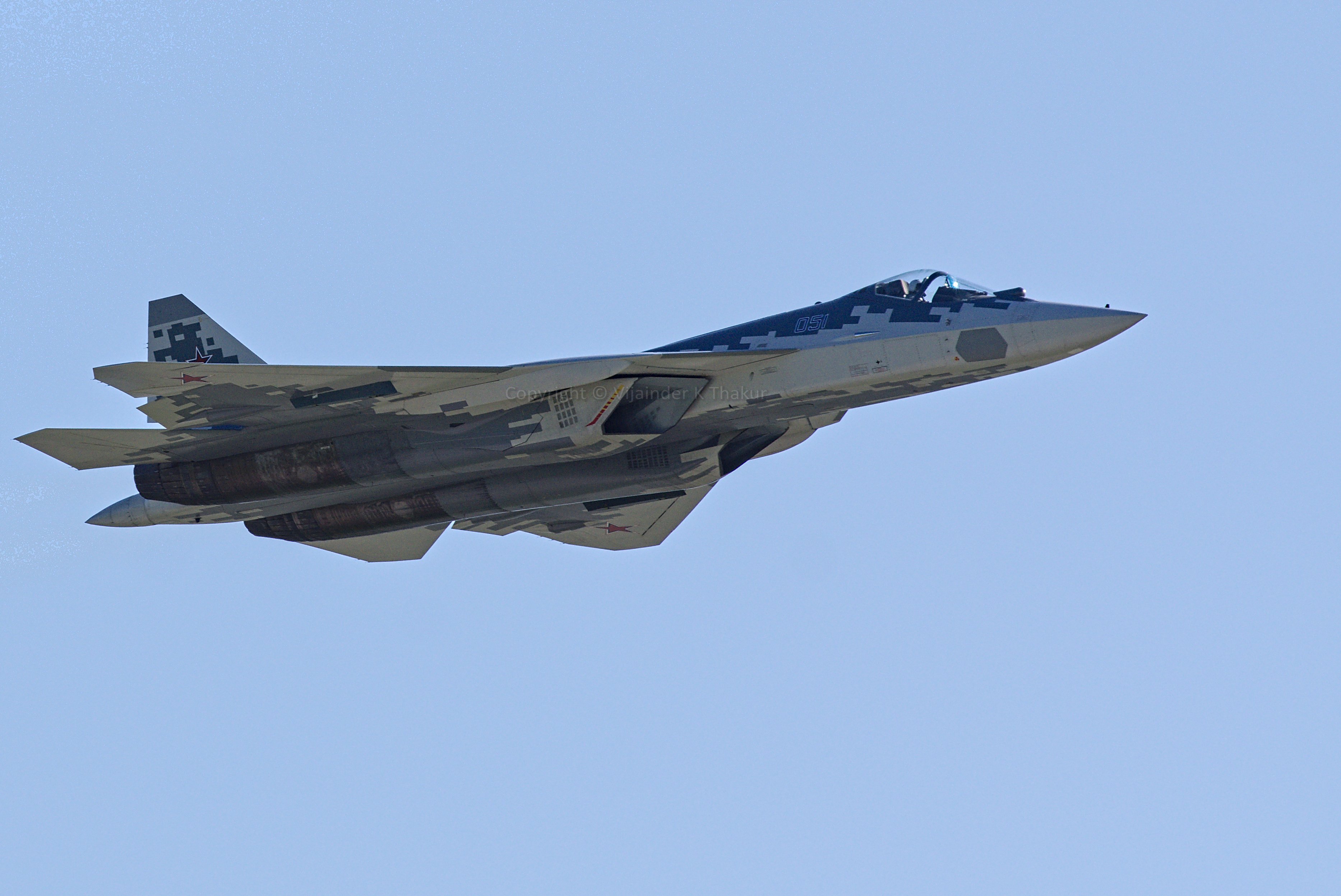
Felon Su-57's Most Lethal Weapon - The S-71 Combat Drone


In August 2024, photos appeared online showing an air launched drone on the external pylon of a Su-57 undergoing 

Russia's Sukhoi Design Bureau unveiled the air-launched stealthy combat UAV designated S-71.during Army 2024.

Sukhoi reportedly initiated development of the S-71 UAV to meet RuMoD specifications drafted in 2019, which emphasised multi-mission capability.

However, based on operational experience, Sukhoi tweaked the specification to increase range and reduce the radar cross-section of the drone. Russia's experience in Ukraine has emphasised the need for greater range and increased survivability. The intensity of the conflict additionally emphasized scalability through reduced production cost.

The S-71 began captive-carry trials in April 2024 at Russia’s flight research centre in Zhukovsky, with test flights involving the Su-57 fighter.

Later, a photograph of a Su-57 with a S-71M "Monochrome" UAV suspended under its wing appeared online. According to Aviation Week magazine, the photo was taken on April 18, 2024 during "Monochrome" testing. Although the S-71M is designed for internal fuselage mounting, it was suspended under the wing for testing.

In August 2024, it was widely reported that Russia had begun production of the S-71M.

Graphiic showing front view of the S-71K on Su-57 external pylons


S-71 Drone

The S-71 is an air launched UAV that can be tasked with target identification, marking or destruction.

The drone is optimised for radar stealth. It features a trapezoidal fuselage (similar to the Storm Shadow missile), folding wings and an inverted V-shaped tail. 

It is powered by a small-sized turbofan engine TRDD-50. This engine is also used in the cruise missiles Kh-59M and Kh-101. The drone is capable of reaching a speed of about 0.6 Mach and  a maximum altitude of up to 8 thousand metres.

There are two variants of the drone - S-71M Monochrome and S-71K Carpet. 

S-71K Carpet

The S-71K performs the role of a conventional air-to-surface cruise missile. It features a modular (cluster, high-explosive and shaped charges) warhead  with electro-optical guidance for target acquisition. The variant is designed for external carriage only.

S-71M Monochrome

The S-71M functions as a reconnaissance UAV allowing its operator to monitor the target area using its electro optical sensors. On locating a target, the drone operator can mark it using a laser for precision attack by weapons launched by a Su-57 stealth fighter or Okhotnik S-70 stealth drone.  

The electro-optical sensors of the S-71M are day and night capable.

The drone likely uses optical guidance and recognition technology developed for Lancet drones and Izdeliye 305 multipurpose guided missiles.

The S-71M can also be housed in the weapons bay of an Su-57 or S-70 Okhotnik UAV.

The S-71 began captive-carry trials in April 2024, after undergoing significant design tweak based on Russia’s operational experience in Ukraine, at Russia’s flight research centre in Zhukovsky, with test flights involving the Su-57 fighter. 

The S-71 drone effectively extends the range of stealth fighters deep into layered air defence protected airspace without risk to pilot life. 

Copyright © Vijainder K Thakur. First published on Thumkar.

Wednesday, December 10, 2025

Lockheed Martin and TASL: The Partnership Likely to Shape India’s Next Transport Fleet


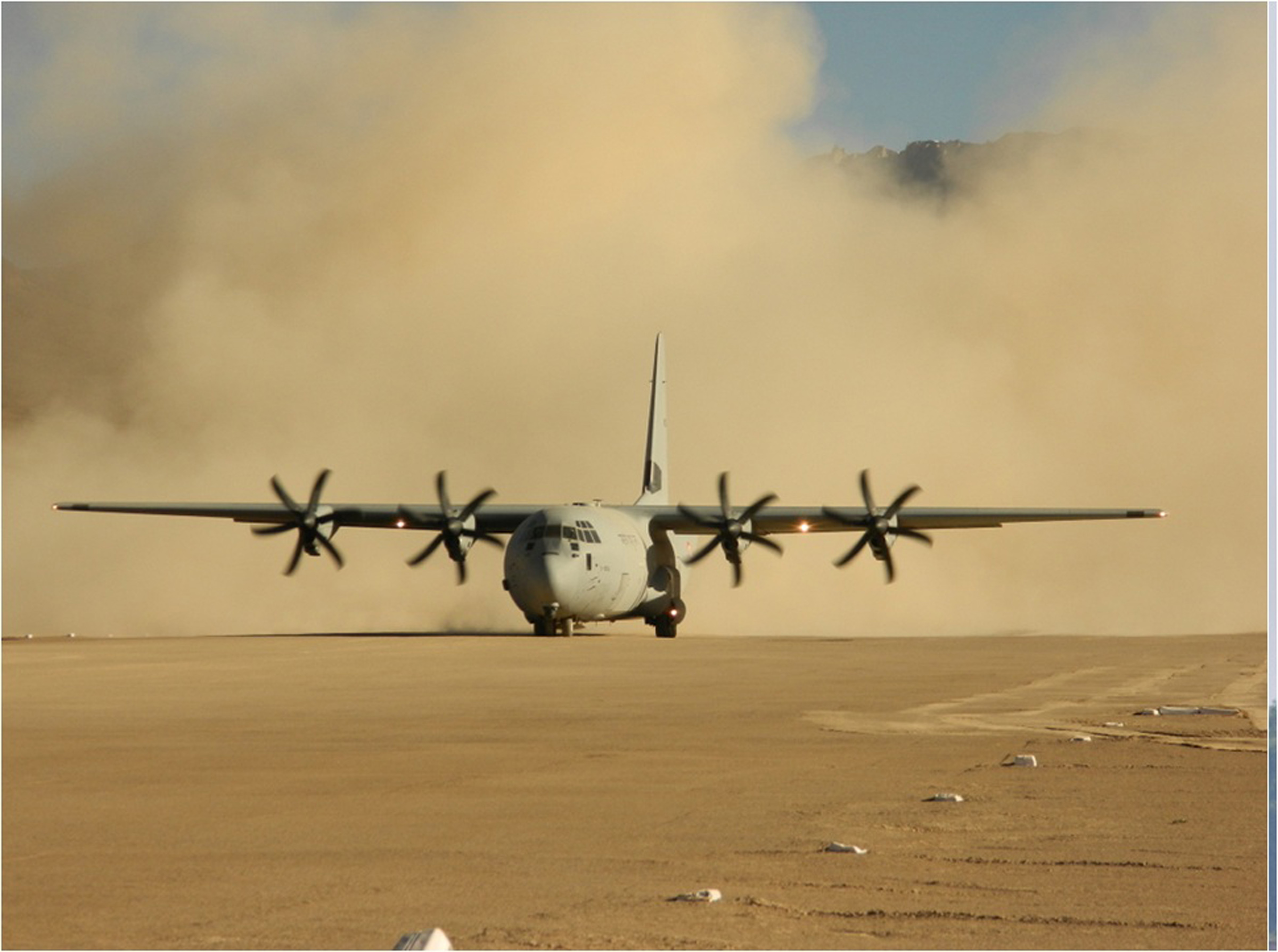
IAF C-130J landing on a ALG during IAF exercise ‘Gaganshakti-2018'
Photo credit: PIB


TASL is building an MRO (Maintenance, Repair and Overhaul) facility for C-130 transport aircraft in Bengaluru. According to ET, TASL is also preparing a bid to supply medium transport aircraft (MTA) to the IAF.

The new MRO facility is likely to be completed by 2026 and receive its first C-130J by early 2027. The IAF currently operates a fleet of 12 C-130Js procured under a deal signed in 2008.

An-32 Replacement

The IAF plans to replace its existing fleet of around 100 Antonov An-32 medium transport aircraft acquired from the erstwhile Soviet Union with around 40–80 MTA aircraft.

The An-32s were progressively inducted into the IAF starting in 1984. In June 2009, India signed a $400-million agreement with Ukraine’s Ukrspetsexport to upgrade its fleet of 105 An-32 aircraft and extend their technical life from 25 years to 40 years.

Under the agreement, 40 An-32s were to be upgraded at designer-certified plants in Ukraine, with 10 aircraft being upgraded annually. The remaining 64 An-32s were to be upgraded at the IAF’s No. 1 Base Repair Depot (BRD) in Kanpur using material and technology transfer from Ukraine.

The An-32s will progressively approach the end of their extended technical life from 2030–32 onwards.

Joint Development of MTA with Russia

India initially tried to co-develop its own MTA in partnership with Russia. In 2012, both countries signed a pact to develop a 15-20-tonne aircraft for cargo/troop transportation, paradrop operations, and air-drop of supplies including the ‘low-altitude parachute extraction system.’

The primary objective of the project was for India to achieve self-reliance in design, development and production of aircraft of this size, and to manage the program with international collaboration and a large number of global suppliers. However, the deal was scrapped in 2016 after both countries failed to come to an agreement regarding the engine and aircraft design.

Current IAF Transport Fleet

India currently operates a wide range of transport aircraft including the Dornier 228, Avro HS-748, An-32s, C-130Js and the larger IL-76s and C-17s.

The IAF’s Avro fleet is being replaced by the Airbus Defence and Space developed C-295. Sixteen aircraft are being delivered to India in flyaway condition from Spain, while 40 are being locally assembled in India by Tata Advanced Systems Ltd. (TASL) in partnership with Airbus Defence and Space. 

Of the 40 aircraft to be assembled in India by TASL, the first 16 would incorporate 30 per cent indigenous components. The remaining aircraft would need to be assembled with 60 per cent indigenous components.

With local assembly and indigenisation of the C-295 well on track, focus has now shifted from Avro replacement to An-32 replacement.

Desired MTA Capabilities

As per a Request for Information (RFI) issued by the IAF in December 2022, the replacement aircraft should be capable of operating from high-altitude Advanced Landing Grounds (ALGs) in Ladakh and the Northeast, carrying an 18- to 27-tonne payload.

Notably, the upgraded Indian Air Force An-32RE aircraft has a maximum payload capacity of 7.5 tonnes, but the IAF wants the replacement aircraft to have a much higher 18- to 27-tonne payload.

Apparently, the Government of India is not sure how many aircraft would be needed to replace the An-32 fleet.

It has been reported that “in its RFI, the IAF has sought a rough order of magnitude (ROM) cost of the aircraft and associated equipment for a batch of 40, 60, and 80 aircraft.”

The RFI lays emphasis on vendor participation in technology transfer, assistance with indigenisation, and capability building to ensure local manufacture of systems, subsystems, components and spares. Vendors are expected to make India a regional or global hub for MRO.

Vendors Expected to Respond

Three companies have reportedly shown interest in the MTA project — the US’s Lockheed Martin, Brazil’s Embraer, and Europe’s Airbus.

Lockheed has offered its C-130J Super Hercules aircraft, 12 of which are already in use with the IAF. Embraer has offered its latest KC-390 Millennium, and Airbus has proposed its A-400M Atlas.


Embraer has reportedly announced a partnership with Mahindra.

The three aircraft on offer differ greatly in their capabilities, but they have something in common — they are all larger than the aircraft envisaged by the IAF, assuming that the MTA proposed to be developed with Russia was the ideal aircraft for the IAF.

As would be expected, none was conceived for the kind of high-altitude landing ground operations that the IAF undertakes to support the heavy deployment of the Indian Army along the Line of Actual Control. No other country has such a requirement.

The C-130, with its 19-tonne payload, comes closest to the Qualitative Requirements (QRs) that the IAF has projected. The Embraer KC-390, which can carry 26 tonnes, exceeds the requirement, and the A-400M, which can carry 37 tonnes, stretches credulity over the logic on which the aircraft is being proposed.

With reduced payloads, the KC-390 and A-400M are likely to match, or even exceed, the C-130’s landing and takeoff performance.

Conclusion

The C-130J has an excellent reputation in the IAF. It is ideally suited to India’s mission environment, which often involves operating out of austere, high-elevation airstrips in hot conditions.

On August 20, 2013, an IAF C-130J landed at the Daulat Beg Oldie (DBO) Advanced Landing Ground (ALG) in Ladakh. At an elevation of 16,614 ft, the airstrip is believed to be the highest in the world.

Besides good reputation and performance, the C-130 is likely to emerge as a strong MTA contender for the following reasons:

1. It is operated by 22 countries, with more than 570 aircraft manufactured so far. In comparison, the KC-390 has 10 operators and 47 aircraft produced so far, while the A-400M has 10 operators and 178 aircraft delivered.

2. TASL has a working relationship with Lockheed Martin, and an enviable reputation within the armed forces as a reliable private-sector vendor.

3. US proclivity to impose sanctions is unlikely to be a stumbling block because the US is also known to make exceptions, particularly when they affect a military-industrial complex giant like Lockheed Martin.

However, there is a stumbling block — a big one at that. Lockheed Martin will absolutely deny any meaningful transfer of technology.

Copyright © Vijainder K Thakur. First published on Thumkar.


Saturday, December 6, 2025

Strategic Foundation Laid for Upcoming Defence Mega-Deals — Su-57, S-400 & BrahMos-NG


via X


A lot of analysts and enthusiasts monitoring India's defense preparedness are likely disappointed that the joint statement released after the 23rd India–Russia Summit in New Delhi on December 4 and 5 did not list any defense-related MoUs or agreements. The lack of mention contrasts with multiple statements by Russian officials promising cooperation in strategic segments such as defence, civil aviation, and space technology.


Going by the MoUs and agreements that were signed, the focus of the summit was largely on economic cooperation—trade, energy security, fertilizers, workforce mobility, etc.


One way of interpreting this emphasis on economics and trade is that the summit was focused on laying a more robust, sanctions-proof foundation for intensified cooperation in defence, civil aviation, and space technology.


Currently, because of U.S. sanctions, India cannot trade with Russia in USD. And India does not have enough roubles to buy additional S-400 regiments, 2–3 squadrons of Su-57 stealth fighters, or small modular reactors. So how could India sign contracts for such strategic procurements?


India would prefer to pay in INR, but what would Russia do with INR? At present, India does not provide enough goods and services of interest to Russia.


India needs to first step up exports to Russia to more than match its imports from that country. Only then can it place further strategic orders. So, no S-400 or Su-57 deals for now.


Under these circumstances, it is not surprising that the summit was largely focused on stepping up Indian exports—food products, labour, and high-tech manufactured goods—to Russia.


Strategic-Level Shipbuilding Cooperation


There were, however, two strategic MoUs signed during the summit that have not received as much coverage in India's corporate media as they deserve.


India and Russia agreed to finalize a Shipbuilding Cooperation Framework covering joint ship design, technology transfer, local manufacturing, and maritime infrastructure.


India's Ministry of Ports, Shipping and Waterways, and Russia's Ministry of Transport also signed an MoU to train Indian seafarers for Arctic navigation.


The agreements are aimed at enabling joint production of ice-class vessels in India and training Indian sailors to operate and navigate ships through Arctic waters.


Ice-class ships are vessels with reinforced hulls designed to safely navigate areas with floating or broken sea ice, such as those seen during Arctic summers.


They differ from icebreakers, which are specialized vessels—often equipped with powerful propulsion systems, including nuclear power—that can break through solid, winter ice cover. Icebreakers typically have rounded, sloping bows that ride up onto the ice and break it using the vessel’s weight and forward motion.


As a result of these agreements, India would be able to manufacture and export ice-class ships to shipping companies worldwide for operations through the Northern Sea Route (NSR). It would also be able to provide trained crews. Together, this would sharply increase the export of Indian goods and services in a niche sector.


Currently, annual cargo volumes through the NSR fluctuate at around 35–40 million tonnes. President Putin wants to raise this volume to 200 million tonnes by 2031. There are not enough ice-class ships in the world today to meet that requirement.


India itself will need such ships as its own trade volumes on the NSR rise.


Joint ice-class shipbuilding will not only deepen strategic alignment between India and Russia, but also facilitate increased bilateral trade.


I dwelt on the subject at greater length in an earlier blog post

Labour Mobility


Also during the summit, India and Russia signed an agreement defining a framework enabling citizens of one country to engage in temporary work in the other.


Russia has expressed interest in bringing in millions of Indian workers across manufacturing, construction, trade, and services.


In August, the Ambassador of India to Russia, Vinay Kumar, told TASS that Russia has manpower requirements, while India has skilled manpower, and that Indian workers are already being hired under existing Russian regulations, quotas, and company-level arrangements.


He noted that most Indian workers currently in Russia are employed in construction and textiles, but interest in hiring Indians in machinery and electronics is rising.


Expansion of Indian Exports


Indian firms have already increased shipments of equipment, spare parts, and tools to support Russian industrial needs. In pharmaceuticals, Indian generic manufacturers are supplying medicines to Russian pharmacies and hospitals.


Russia is also seeking cooperation with Indian firms to co-produce energy sector equipment for later re-export—including to African markets.


Trade in agricultural products increased by more than 60% in 2024.


A representative of the Federation of Indian Export Organizations (FIEO) told TASS that Indian packaged foods—curries, ready meals, legumes, sweets, and snacks—are already widely sold in Russia, and that tea, coffee, rice, spices, and apparel could replace European brands on Russian shelves.


India has raised concerns over non-tariff barriers, particularly affecting agricultural and marine products. Exports of prawns and shrimp, for instance, could rise significantly beyond the current level of approximately $123 million.


Solid Economic Foundation Leading to Strategic Alignment


Over the past two years, India and Russia have worked to create a stable economic foundation, targeting trade parity.


The two sides previously aimed to raise annual bilateral trade from approximately $60 billion to $100 billion by 2030. During the summit, the Indian Prime Minister expressed confidence that this milestone would be achieved ahead of schedule.


It appears likely that most of the increase will come from expanded Indian exports, which is precisely what this summit focused on.


When Will the Su-57s, S-400s, and SMRs Come?


Russia has offered the Su-57 to India, including technology transfer and local production. India is expected to take a decision after prolonged negotiations.


As previously noted, the IAF is likely interested in the twin-seat Su-57D variant, expected to fly in early 2026. A twin-seat configuration would allow better crew coordination for loyal-wingman UAV operations and enhance training.


The IAF will also want confirmation that the Su-57 can carry the BrahMos-NG internally. Since BrahMos-NG development has only recently begun, urgency on India's part is low. You can read how the BrahMos-NG and Su-57 acquisitions are possible linked at this blog post.


Likewise, India is awaiting delivery of two remaining S-400 regiments ordered in 2018, and these have not yet been fully paid for.


Contracts will be signed only after all associated technical, logistical, and financial discussions are completed.


Conclusion


The reason major defence deals did not find mention in the summit joint statement is that the deals have not yet been finalized. The summit focused instead on building the economic and logistical foundation necessary for a renewed and significantly deeper strategic partnership.


Copyright © Vijainder K Thakur. First published on Thumkar.

Friday, December 5, 2025

Revived Flight Trials of Il-114-300 Renew HAL’s Interest in Regional Airliner Program


Sputnik India has reported, quoting the Rostec Chief, that India and Russia have begun talks on the joint production of the Il-114-300 aircraft.

The Il-114-300 is a modernised variant of the Il-114. Powered by the newly developed Klimov TV7-117ST turboprop engine, the aircraft is a 52-64-seat regional airliner, an analog of the ATR-42, intended to meet the requirements of regional civil aviation carriers.

Development History

The Il-114 was created in the eighties, taking into account the needs of civil aviation of that time and the capabilities of the Soviet aviation industry. It was a regional liner with a payload of several tons. The first flight took place on March 20, 1990. However, fewer than 20 aircraft were built. Production was halted due to industrial difficulties and lack of customer interest.

In 2014, the Russian leadership ordered the launch of the Il-114-300 variant.

The Il-114-300 variant retains the original airframe but features an improved power plant, high-performance propellers, and avionics, resulting in improved flight performance and operational economic characteristics.

The maiden flight of the aircraft took place at the Zhukovsky airfield on December 16, 2020.

Certification was expected to be completed in 2022, with serial production and deliveries expected to commence in 2023.

Indian Interest

In November 2019, ET reported that HAL is contemplating local assembly of the aircraft for Indian regional commercial flights.

HAL planned to start offering maintenance services for this aircraft in India and later progress to local assembly.

Development Setback

However, flight testing of the airliner was suspended in 2021 due to a problem with the engine. An under-development Il-112V light airlifter, which also uses a TV7-117ST engine, crashed during flight testing due to an engine fire.

The suspension of flight testing enabled the engine manufacturer, UEC-Klimov, not only to correct the fault in the engine but also to significantly expand its operational parameters, including temperature range, altitude, and service life.

At the same time, the design of the Il-114-300 itself underwent some changes. The wings were tweaked to “raise” the engine and thereby increase the distance from the propeller blade tips to the ground surface. Now, according to the designers, the aircraft will be able to land not only on concrete runways but also on unpaved surfaces. In addition, the wing modification provides a larger flap angle and, accordingly, a lower landing speed.

Development Resumption

Flight testing has since resumed. As of September 4, 2024, the aircraft had made more than 30 flights, some of which lasted more than seven hours.

As of February 2025, the aircraft had completed more than 70 flights, including more than 20 certification flights, and had flown more than 200 hours. Serial aircraft planned for delivery to operators are already in production.

Copyright © Vijainder K Thakur. First published on Thumkar.