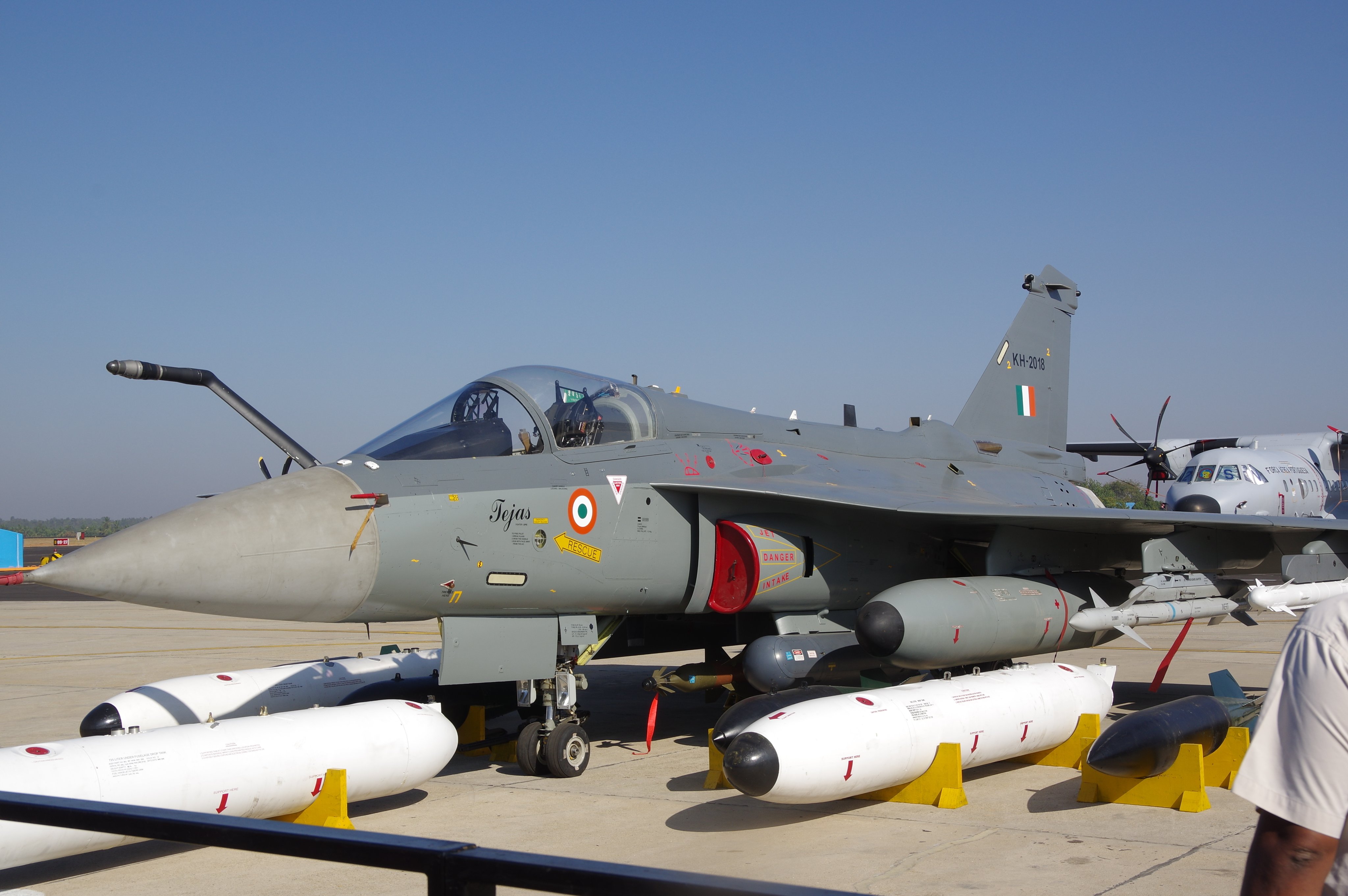
The European Commission (EC) has taken the lead in developing a manned light combat aircraft optimised for hunting drones. Called the Future Multirole Light Aircraft (FMLA), the concept aircraft is intended to be an affordable, versatile platform for a variety of missions.
The EC has reportedly allocated €15 million for the first phase of development under the European Defence Fund (EDF) programme for 2026.
Besides intercepting drones, the FMLA would be able to undertake close air support, reconnaissance, and target designation missions. In addition to combat missions, it would be capable of conducting border patrols and participating in search and rescue operations.
The FMLA is conceived as a turboprop aircraft with a maximum take-off weight of around 7.5 tonnes, capable of short take-offs and landings on shortened runways. It will feature lightweight composite materials to reduce radar signature and will be equipped with advanced radar, sensors, and other electronic equipment.
The aim is to develop a cost-effective aircraft with advanced technology and mission flexibility.
The Need for Specialised Counter-Drone Operations
Ukraine and Russia are both using light sport/trainer aircraft and combat helicopters for counter-drone operations.
Russia employs platforms such as the Mi-28N and Ka-52 attack helicopters, as well as light sport aircraft retrofitted with machine guns and man-portable air defence systems (MANPADS), to patrol low-altitude airspace around critical infrastructure.
Ukraine similarly uses Mi-24 and Mi-8 helicopters, L-39 trainer jets equipped with gun pods, and even modified agricultural aircraft for night operations.
These platforms operate at low altitudes and slow speeds along likely drone ingress routes, particularly during nighttime raids. Pilots rely on visual detection using night-vision systems and tactical intelligence to identify and engage hostile drones.
Drones Fight Back
The use of manned combat helicopters and light aircraft in counter-drone operations has inevitably led to the development of drones capable of shooting down these manned threats.
Air-Combat-Capable Drones
Russian forces have recently (in the past month) deployed an interceptor variant of the Geran drone capable of launching R-60 air-to-air missiles. The Soviet-era short-range missile is mounted on a launcher on top of the drone. After launch, the heat-seeking missile can autonomously home in on its target.
The interceptor variant of the Geran drone operates as part of a swarm that includes other Geran drones configured for electronic warfare, photo reconnaissance, ELINT, communications relay, and decoy missions.
When launched from a fast-flying fighter aircraft, the R-60 has a range of 7–10 km. When launched from a slow-flying drone, its effective range would be significantly lower.
First Manned Aircraft Shootdown by a Drone
A Russian Geran-2 drone may have scored its first air-to-air kill recently, potentially creating aviation history. The supporting evidence, however, remains largely circumstantial.
A Ukrainian Mi-24 helicopter from the 12th Separate Army Aviation Brigade was lost in combat on December 17, 2025.
The specific location or area of operation has not been publicly disclosed. However, in recent months, Ukrainian combat helicopters have not been operating near the front, making it unlikely that the loss resulted from a ground-launched missile.
In fact, Ukrainian combat helicopters have been largely repurposed for counter-drone operations, increasing the likelihood that the loss occurred during such a mission.
Official Ukrainian sources have acknowledged the downing as a combat loss. While it is possible that the helicopter was brought down by a Geran-2 drone—either by ramming or through the use of an air-to-air missile—other possibilities exist, including controlled flight into terrain (CFIT) while manoeuvring to engage a drone.

MANPADS Armed Drones
On January 4, 2026, a photograph of a Geran-2 drone armed with an Igla-S man-portable air defence system (MANPADS) appeared on social media.
Ukraine’s Unmanned Systems Forces reported that Ukrainian forces had intercepted a Geran-2 drone armed with the MANPADS.
The drone is claimed to have crashed in the Chernihiv region.
R-60 vs Igla-S
Upgraded variants of the Geran-2 drone are capable of carrying a tandem warhead weighing about 100 kg. Geran-2 interceptor variants replace the warhead with an air-to-air missile and its launch system.
The Igla-S missile weighs approximately 10.8 kg; with its launch system, the total weight is around 18 kg. In contrast, the R-60 air-to-air missile has a launch weight of 44 kg, while the pylon and ejector mechanism used to launch it likely weighs an additional 20–40 kg. As such, it is highly likely that the switch to the Igla-S missile is intended to significantly lighten the load on the Geran-2 drone, allowing it to operate at longer ranges.
The Igla-S missile is tube-launched, unlike the R-60, which is launched using a pylon-ejector combination.
Like the R-60, the Igla-S features an infrared homing seeker, but it is resistant to countermeasures such as flares. The missile has a range of up to 6 km.
Geran-2 drone variants capable of carrying air-to-air missiles and MANPADS feature two cameras: a forward-facing camera positioned ahead of the missile and a rear-facing camera mounted behind it.
Need for More Agile Drone Hunters with Better Missile Countermeasures
The current evolutionary trajectory of one-way attack drones and loitering munitions points to a rapidly emerging need for manned platforms capable of quickly locating and engaging drones, while also being able to evade attacks by missile-armed drone interceptors.
India’s Options
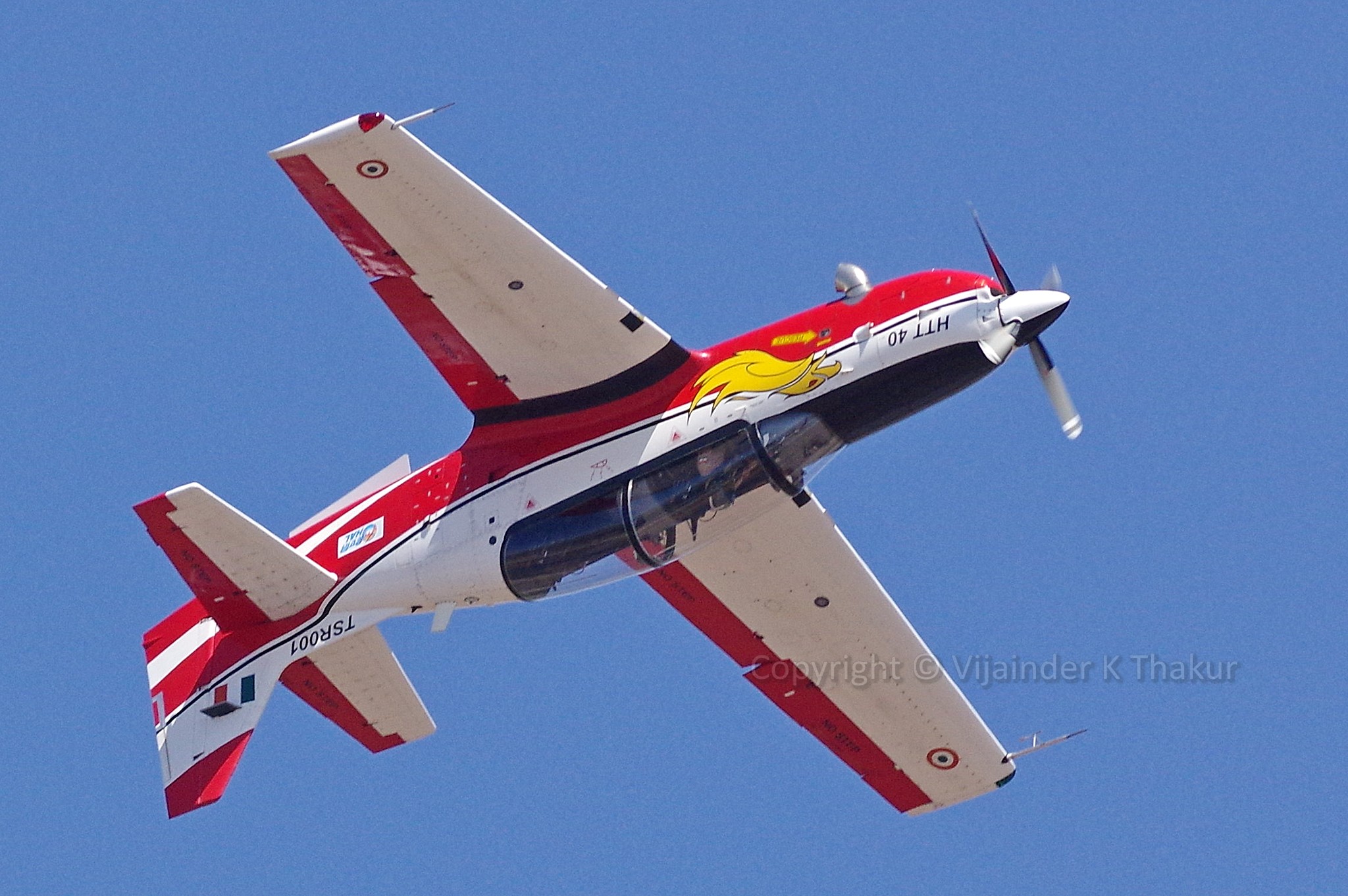
At this point in time, based on current threat perceptions and limited resources, it may not be feasible for India to develop a specialised counter-drone platform. However, India should explore the possibility of modifying the HTT-40 trainer variant into a credible counter-drone platform. I have discussed this subject in an earlier analysis for The Eurasian Times.
Copyright © Vijainder K Thakur. First published on Thumkar.